Lucy Fitzgerald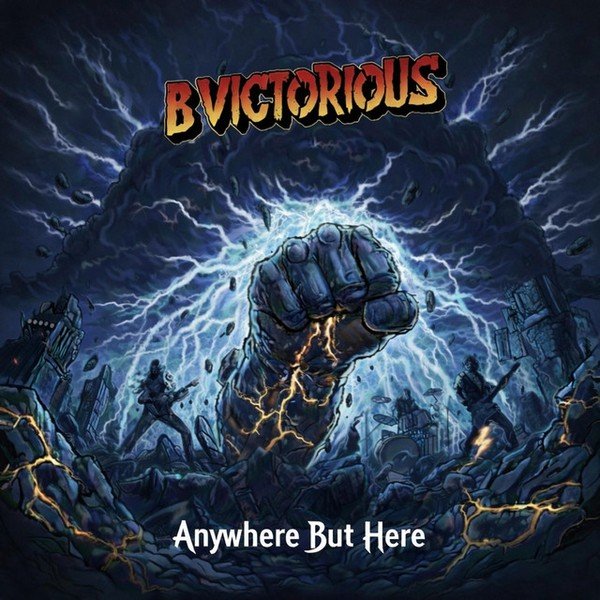
Q: Hi! So you’re from Southern California — how much does growing up out there actually shape the kind of music you make? Like, can you hear it in the sound?
A: Southern California definitely shaped me as an artist. There’s a certain vibe out here; the energy, the lifestyle, the mix of beach culture, nightlife, relationships, and ambition. It all kind of finds its way into the music whether you realize it or not. I think you can hear a little of that atmosphere in Anywhere But Here.
At the same time, I didn’t want to make an album that only connected with people from Southern California. I wanted these songs to feel relatable and enjoyable for everyone no matter where they’re from. So while there’s definitely a Southern California flavor in parts of the sound and emotion of the record, the themes themselves are universal; relationships, escape, reflection, hope, frustration, all of that. My goal was to make music that people could connect to whether they’re driving down the coast in California or listening halfway across the world.
Q: Take me back to when you first started making rock music. Was there a specific moment where you were like, this is what I want to do?
A: I’ve always been an extremely creative person, so music was kind of a natural outlet for me. But when I started making rock music specifically, there really wasn’t one single moment where I said, ‘Okay, this is it.’ It was more that once I started writing, everything just flowed naturally.
When I get into that creative mindset, the lyrics come really organically to me. I’ll hear a melody or feel a certain emotion, and suddenly songs just start pouring out. That’s really what pulled me toward rock music. The emotion and energy of it. It gave me a way to express things in a bigger, more powerful way.
The more I wrote, the more I realized this wasn’t just something I was experimenting with, it was something I genuinely loved doing and wanted to keep building on.
Q: Your debut album was called Too Hard to Force to Resist — what was that era like for you, and how were you feeling about where you were as an artist at that point?
A: That period was really exciting, but honestly a little scary too. Too Hard to Force to Resist was my first rock album, so I really didn’t know what the reaction was going to be. I was stepping into a different genre and figuring out where I fit creatively within rock music.
At that point, I was experimenting a lot and just letting the music take me where it wanted to go. I wasn’t trying to force a certain sound or image, I just wanted to create songs that felt authentic to me. There was definitely uncertainty because anytime you branch into something new, you wonder how people are going to respond. But honestly, that uncertainty was also what made it exciting creatively.
I think what’s interesting now with Anywhere But Here is that I still have that same creativity and excitement, but now there’s more confidence and direction behind it. I’m still exploring different emotions and sounds, but I feel more comfortable in the genre and more willing to take creative chances. So the new album still has that energy of discovery, but it’s coming from a more evolved place as an artist.
Q: Now you’ve got Anywhere But Here out. Just vibe-wise, how does this album feel different to you compared to the first one?
A: I think what’s interesting now with Anywhere But Here is that I still have that same creativity and excitement, but now there’s more confidence and direction behind it. I’m still exploring different emotions and sounds, but I feel more comfortable in the genre and more willing to take creative chances. So the new album still has that energy of discovery, but it’s coming from a more evolved place as an artist.
Vibe-wise, I think the new album feels bigger emotionally and musically. There’s a lot of variety to it as some songs are more reflective, some are more energetic, some are emotional, and others are just fun. I gave myself more freedom creatively on this record and didn’t box myself into one specific sound.
With the first album, I was proving to myself that I could make a rock album. With Anywhere But Here, I think I was more focused on making the best and most interesting album I could make. It feels more natural, more confident, and honestly more fearless creatively.
Q: The title Anywhere But Here is pretty evocative — is that coming from a real place emotionally, or is it more of a bigger concept you were playing with?
A: Anywhere But Here definitely comes from a real emotional place. The title is really about those moments in life where you get frustrated. Whether it’s with your day, a situation, a relationship, or just everything piling up at once, and you feel like you need to escape for a while. You just want to be anywhere but where you are in that moment mentally or emotionally.
I think that’s something almost everyone can relate to at some point. Sometimes it’s not even about physically leaving somewhere, but it’s more about wanting a mental reset or wanting to break away from whatever stress or emotion you’re carrying.
At the same time, I liked that the title could work on a bigger level too. It leaves room for people to interpret it through their own experiences. Some people may connect to it through relationships, others through work, pressure, life changes, or just feeling stuck. That’s part of what I love about music, people can take the songs and make them personal to their own lives.
So while the album absolutely comes from real emotions and experiences, I also wanted it to feel universal and open-ended enough that listeners could see themselves in it.
Q: “Crushin’ On You” was the single that kind of kicked everything off — what’s the story behind that track? Where did it come from?
A: Crushin’ On You’ was one of those songs where I honestly knew pretty quickly that it was going to be the first single. As soon as I wrote it, it just had a certain energy and feel to it that stood out to me. It captured the emotional side of the album, but it was also fun, catchy, and something people could really enjoy driving around listening to. I felt like it represented the spirit of Anywhere But Here really well, so making it the first single just felt natural.
The song really comes from a feeling that almost everybody has experienced at some point. Sometimes it’s about someone you were in a relationship with, or someone you wanted to be with and things just didn’t work out. Other times it’s simply seeing someone from afar and feeling an instant connection or attraction that you can’t really explain.
I think what makes the song connect is that it captures that mix of excitement, emotion, and vulnerability that comes with having strong feelings for someone. There’s a hopeful energy to it, but there’s also that uncertainty that naturally comes with relationships and attraction.
Q: You talk about balancing the gritty riffs with deeper storytelling on this record — how do you actually find that balance in the studio? Is it instinctive or do you have to really work at it?
A: A lot of it is instinctive for me creatively. Usually when I’m writing, I hear the melody in my head first, and from there I start building the music around the emotion and energy of the vocals. I’ll start hearing the type of riffs, beats, and overall sound that I feel fit the song perfectly.
For me, the storytelling and the music really have to work together. If the lyrics are emotional or reflective, I want the music to support that feeling. If the song has more intensity or energy, then I want the guitars and production to push that emotion even further. So I’m constantly trying to match the sound to the mood of the song.
I think that balance is what gives the album its personality. You can have gritty riffs and powerful rock energy, but if there’s no emotion or story behind it, it doesn’t connect the same way. At the same time, if a song is too lyrically heavy without energy behind it, it can lose momentum. So I try to blend both in a way that feels natural and authentic.
A lot of the process honestly comes from feel and emotion in the moment. Once I connect to the melody and the atmosphere of a song, the rest tends to flow pretty naturally from there.
Q: What’s a track on Anywhere But Here that you think people are going to sleep on at first but eventually become someone’s favorite?
A: That’s a tough question because honestly I really believe in every song on the album. I think they all have something different to offer, and I genuinely feel like people are going to connect with different tracks for different reasons.
But if I had to pick one that might grow on people over time, I’d probably say ‘If Anyone Cries.’ It’s a little different from some of the more immediate or energetic songs because it starts off slower and more emotionally driven, so I think listeners may discover it more deeply after spending time with the album.
Lyrically, it’s one of the more intense and emotionally charged songs on the record. It really dives into the emotions surrounding a relationship falling apart — the hurt, frustration, vulnerability, and even some of that darker feeling of wanting emotional revenge after being hurt by someone. I think a lot of people can relate to those emotions even if they don’t always talk about them openly.
What I like about the song is that it builds emotionally as it goes on. It starts in a more reflective place, but there’s a lot of tension and energy underneath it. I think it’s the kind of song that may end up becoming one of people’s favorites.
Q: Rock music has been going through such an interesting moment right now — there’s a whole new wave of people discovering it. Where do you see yourself fitting into that conversation?
A: I think rock music is in a really interesting place right now because people are rediscovering how powerful real emotion, strong melodies, and meaningful lyrics can be. A lot of listeners want music that actually makes them feel something again, and I think rock naturally gives artists a space to be raw, emotional, energetic, and authentic.
Where I see myself fitting into that is bringing strong songwriting and emotion into modern rock while still making music that feels accessible and memorable. I care a lot about lyrics, melodies, and creating songs people can really connect with emotionally, but I also want the music itself to have energy and atmosphere.
I think there’s room right now for artists who aren’t afraid to blend emotion, storytelling, catchy hooks, and rock energy together. That’s really where I see myself. I want to be part of pushing rock forward while still respecting what makes the genre connect with people in the first place.
At the end of the day, I just want to make songs that people genuinely feel attached to, songs they can drive to, think about relationships through, escape into, or turn up loud when they need an outlet. If I can do that consistently, then I think I’ll naturally become part of that new wave of rock artists people are paying attention to.
Q: Who are you listening to right now, inside or outside of rock, that’s genuinely exciting you?
A: I honestly listen to all different kinds of music. I grew up listening to a lot of classic rock, but I also really enjoy newer rock artists too. For me, it’s less about whether something is old-school or modern and more about whether it has energy, emotion, and excitement to it. I want music that makes you feel something and pulls you into the atmosphere of the song.
One band I really enjoy is Halestorm because they bring so much energy and emotion into their music and songwriting. I also still go back and listen to classic artists like Def Leppard, AC/DC, and Bon Jovibecause those songs just have timeless hooks and big personalities.
At the same time, I’m always listening for new sounds and new artists that bring something fresh creatively. That’s one reason I like Yungblud. Even outside of rock, I appreciate artists who know how to create strong melodies and emotional connection in their music. As a songwriter, I think listening to different styles helps keep your creativity open and keeps you evolving artistically.
Q: Alright, the album’s out — what does the rest of 2026 look like for you? Are we talking tour dates, new music, or are you just trying to enjoy this release for a minute?
A: Right now, a big focus for the rest of 2026 is really pushing Anywhere But Here as far as it can go. That means continuing to promote the album, the singles, and the music videos, with additional music videos already planned for upcoming singles. I’m also working toward getting more commercial radio airplay and introducing the music to as many new listeners as possible.
I definitely want people to go stream and download the album on all the major streaming platforms because I genuinely believe there’s something on the record for a lot of different listeners. We’re also building out the merchandise side with physical CDs, autographed CDs, and other merch available through the website, which has been exciting because it gives fans another way to connect with the music.
I’m also very active on social media and honestly love interacting with fans directly. That connection is really important to me because music is personal, and it’s great hearing what songs people connect with or what certain lyrics mean to them. I always want fans to feel involved in the journey as the album continues to grow.
Touring is absolutely something I’d love to do as well. Right now, it’s really about finding the right venues and opportunities that make sense creatively and strategically. I think these songs would translate really well live because there’s a lot of energy and emotion behind them.
At the same time, I’m always writing and creating, so there’s definitely going to be more music coming too. But I also do want to take a moment to enjoy this release because a lot of work and emotion went into this album. It’s exciting seeing people start to connect with the songs and make them part of their own lives.

Listening to songs so you don’t have to! Just kidding :D, you totally should. Music blogger by day, nurse by night